How to Find Reliable Construction Equipment Parts Suppliers
Finding reliable construction equipment parts suppliers can protect uptime, budgets, and project schedules. A damaged excavator seal may seem inexpensive, yet one failure can stop an entire crew. Supplier selection deserves more than a quick price comparison.
Caterpillar Chairman and CEO Jim Umpleby has said, “We are focused on helping our customers build a better world.” That principle also applies to parts sourcing. A dependable supplier should provide accurate part numbers, clear specifications, and realistic delivery dates. Ask whether the company supports genuine, aftermarket, and refurbished components. Each option has different risks, warranties, and service expectations.
Look for evidence, not polished promises. Review technical documents, customer feedback, warranty terms, and return procedures. Check whether staff can explain compatibility for your machine’s model, serial number, and operating conditions. A supplier with warehouse photographs, traceable inventory, and responsive technical support usually inspires greater confidence. Still, no supplier is perfect. A glowing review cannot replace careful verification. Even experienced buyers can order the wrong hydraulic filter when equipment records are incomplete.
Reliable companies communicate problems early. They do not hide backorders or substitute parts without approval. They also understand that construction equipment parts must endure dust, vibration, heat, and demanding work cycles. Before placing a large order, test the supplier with a smaller purchase. Compare packaging, labeling, fit, documentation, and delivery accuracy. Keep records of every interaction. This practical evidence supports better decisions over time, although it may reveal weaknesses you did not expect. A trustworthy partnership grows through consistent performance, transparent communication, and measurable results.
Define Your Equipment Parts Requirements and Supplier Criteria
Before contacting suppliers, define the exact part your equipment needs. Record the machine type, operating hours, serial range, and attachment details. Measure critical dimensions, such as pin diameter, bolt spacing, hose length, and thread size. A clear photograph beside a ruler can prevent expensive misunderstandings. Small details matter.
Separate urgent replacement parts from planned maintenance items. For a hydraulic seal kit, note fluid type, pressure rating, temperature range, and material requirements. For undercarriage components, document shoe width, link pitch, roller count, and working conditions. Dusty quarries require different durability expectations than indoor demolition sites. My first checklist was too broad. I once missed a seal material specification and delayed installation.
Supplier criteria should be measurable, not based on friendly promises. Ask for technical drawings, material certificates, inspection records, and traceable part numbers. Confirm available stock, production lead time, packaging methods, and warranty terms in writing. Reliable suppliers explain compatibility limits instead of claiming every part fits. Request sample documentation before placing a large order. Check whether their return process covers incorrect dimensions or concealed manufacturing defects. Communication speed also matters when a machine is stopped beside a work zone. Still, fast replies do not prove technical competence. Compare answers against service manuals, maintenance records, and advice from qualified technicians. Keep a supplier evaluation sheet with accuracy, delivery performance, documentation quality, and after-sales response. Review it after every purchase. Mistakes reveal weak criteria.
How to Find Reliable Construction Equipment Parts Suppliers
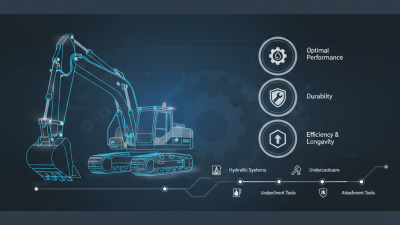
Define your equipment parts requirements and supplier criteria before comparing quotations.
These benchmark targets help buyers evaluate suppliers consistently: complete compatibility documentation, accurate lead-time commitments, correct order fulfillment, and reliable dispatch performance. They are procurement targets rather than market-average statistics.
Research Supplier Experience, Product Range, and Industry Coverage
Reliable construction equipment parts suppliers rarely prove themselves through polished websites alone. Their experience appears in specific answers. Ask how long they have supported excavators, loaders, cranes, or concrete equipment. A knowledgeable supplier can discuss failure patterns, fitment details, and installation concerns without guessing. Request references from contractors with similar machines and working conditions. A supplier serving only light-duty fleets may not understand quarry dust or coastal corrosion. Experience must match your environment.
Product range matters because urgent repairs often involve more than one component. Check whether the supplier carries engine, hydraulic, electrical, undercarriage, and wear parts. Look for clear part numbers, dimensions, material specifications, and compatibility records. A dependable team should explain alternatives when an original specification is unavailable. However, a broad catalog can hide weak inventory control. Ask for current stock evidence, realistic lead times, and packaging photos before payment. One supplier once promised a seal kit in three days, but delivery took two weeks.
Industry coverage reveals practical reach. Suppliers familiar with roadwork, mining, agriculture, demolition, and municipal fleets may identify different operating pressures. They should understand regional climate, service schedules, and common machine configurations. Check whether technical support covers your time zone and whether replacement advice is documented. Certifications, inspection reports, traceable invoices, and a transparent warranty process strengthen credibility. Still, paperwork is not proof of perfect performance. Speak with a technician. Test one modest order before trusting a critical shutdown repair. This slower approach can expose communication gaps early.
Compare Pricing, Lead Times, Logistics, and Customer Support
Finding reliable construction equipment parts suppliers requires more than comparing unit prices. In my sourcing work, I request identical specifications, quantities, packaging, and delivery terms. A low price can hide inspection fees, export charges, or weak packaging. I place every cost in one worksheet, including freight, duties, handling, and possible return shipping. Then I compare the landed cost, not the invoice alone. Ask for a written quotation with validity dates. Steel prices and transport rates can change quickly. A supplier that explains cost changes earns more trust than one offering an unexplained discount. I still sometimes favor the cheapest option. That habit has caused delays.
Lead time should be separated into production, preparation, and transit. Ask for stock evidence, estimated dispatch dates, and a realistic buffer. For urgent repairs, a five-day promise means little without tracking details. Review the logistics route, packaging method, crate dimensions, and damage claim process. A heavy hydraulic component needs protection against moisture, impact, and rough unloading. Customer support matters after payment. Test it with practical questions about drawings, serial compatibility, installation notes, and replacement procedures. Reliable teams answer clearly and record commitments in writing. Time-zone differences may slow conversations, so agree on response windows and escalation contacts. I value honest warnings over confident promises. Yet response speed alone is not proof of quality. Keep checking delivery records, packing photos, and received-part measurements. That evidence supports a fair supplier decision.
Assess Supplier Reliability Through Reviews, References, and Trial Orders
How to Find Reliable Construction Equipment Parts Suppliers
Supplier reliability becomes clearer through reviews, references, and trial orders. Look for recent reviews with specific details, not vague praise. Comments about delivery dates, packaging, fit, and return handling are more useful. Ask suppliers for references from contractors using similar equipment. A brief call can reveal communication delays, repeated defects, or helpful technical support.
Trial orders provide practical evidence. Choose a lower-risk part, such as a seal kit, cutting edge, or filter housing. Confirm the part number, dimensions, material, and stated tolerances before ordering. When it arrives, inspect the packaging, surface finish, markings, and included documents. Record delivery time and installation results. My first checklist missed packaging quality. That mistake taught me to inspect every shipment, not only the part. No supplier is perfect.
Tips: Request one written quotation. Compare specifications, warranty terms, and response times. Ask how they handle incorrect parts. Keep photographs and test notes for future purchases. A supplier who answers technical questions clearly usually earns more confidence than one offering the lowest price. Still, one successful order proves little. Repeat the process with another essential part.