What Are the Top 10 Explosion Proof Forklift Manufacturers?
Explosion hazards can turn an ordinary warehouse decision into a critical safety choice. An Explosion Proof Forklift is designed for specified hazardous environments, where fuel vapors, combustible dust, or gases may be present. The label alone is not proof. Buyers should verify the truck’s certification, area classification, and intended operating conditions.
The scale of material handling is substantial. Grand View Research’s Forklift Market Size, Share & Trends Analysis Report estimated the global forklift market at USD 68.5 billion in 2023, with projected growth of 6.5% annually from 2024 to 2030. That figure covers the broader forklift market, not explosion-protected models alone. OSHA safety materials estimate about 85 U.S. forklift-related fatalities and 34,900 serious injuries each year. These figures underline why equipment selection and operator training deserve careful attention.
This article compares ten manufacturers serving hazardous-location applications. It considers product range, certification details, engineering support, service availability, and suitability for specific operating conditions. Buyers should also examine battery and charging arrangements, rated capacity, lift height, and the exact atmosphere present at the site. Details matter. A model suitable for one classified area may not suit another. Manufacturer claims also require verification against current documentation; product specifications and approvals can change. The comparison is a starting point, not a substitute for a site-specific risk assessment or qualified technical advice.
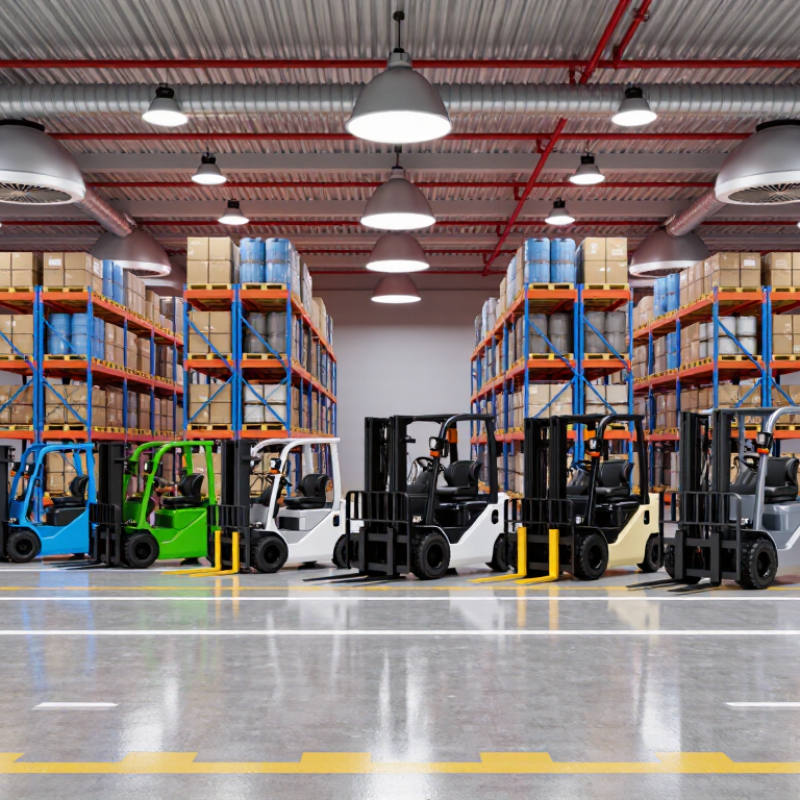
Understanding Explosion-Proof Forklifts and Their Applications
Explosion-protected forklifts are built for workplaces where flammable vapors, gases, or combustible dust may create an ignition risk. Their design can include enclosed electrical components, controlled surface temperatures, and protected switches. Some models also use conductive tires or grounding features to manage static. The exact safeguards depend on the site’s hazards. “Explosion-proof” does not mean the machine can prevent every fire or explosion.
These forklifts may move palletized ingredients through chemical-processing areas, carry drums in designated solvent-handling zones, or transfer materials near dust-producing operations. Imagine a truck turning slowly beside sealed containers, its forks kept low and its route clear. Small details matter. A damaged enclosure, loose cable, or worn tire can undermine protection. A specification sheet cannot show every maintenance issue.
Choosing equipment starts with identifying the atmosphere, task, load, and operating conditions. Check that the machine’s protection level suits the specific location, and follow the applicable site and certification requirements. Operators also need training for the equipment and environment. Regular inspections help catch damage before a shift begins, though they cannot replace technical assessment. A scraped coating may deserve more attention than it first appears.
Key Standards and Features of Explosion-Proof Forklifts
Explosion-protected forklifts are designed for specific hazardous locations, not as universal “spark-proof” machines. NFPA 505 addresses powered industrial trucks used in hazardous areas, while the IEC 60079 series sets requirements for equipment in explosive atmospheres. The correct protection depends on the site’s classified area, gas or dust type, and temperature limits. OSHA’s published powered-industrial-truck estimates cite about 85 fatalities and 34,900 serious injuries each year. Those figures cover forklift incidents broadly, not explosion-related cases, but they underline why equipment selection and operator training matter.
Look for a clear approval marking that matches the facility classification. Check the truck’s protection type, temperature class, and permitted gas or dust group. Practical details count: sealed electrical connectors, protected motors, suitable braking components, and static-dissipative tires can reduce ignition risks when specified for the application. The battery and charging arrangement also need approval for the intended location. Small details matter.
Before purchase, compare the equipment certificate with the site’s hazard assessment; a similar-looking rating is not enough. Maintenance should include inspecting cable insulation, enclosure seals, and grounding points, especially after repairs or pressure washing. A damaged seal can undermine protection. I would also verify that replacement parts retain the original approval, because this step is easy to overlook. Refer to OSHA’s powered industrial truck guidance, NFPA 505, and the relevant IEC 60079 requirements when confirming suitability.
Criteria for Evaluating Explosion-Proof Forklift Manufacturers
Evaluate manufacturers by how clearly they match a forklift to the site’s classified hazardous area. Ask for documentation covering gas or dust group, temperature class, and approved operating zone. The U.S. Chemical Safety Board’s 2006 Combustible Dust Hazard Study identified 281 dust incidents from 1980 to 2005, causing 119 deaths and 718 injuries. These figures cover multiple industries, not forklifts specifically, but underline why ignition control deserves close scrutiny. Details matter. Check that motors, brakes, wiring, battery systems, and attachments are included in the equipment’s protection scope—not just the vehicle enclosure. A neat certificate is reassuring, but it may not answer whether the truck suits your actual floor conditions.
Compare test records, production quality controls, and the manufacturer’s process for maintaining protection during repairs. Ask how technicians handle replacement parts and whether changes require reassessment. For the truck itself, review rated capacity, braking, turning radius, and performance on the site’s ramps and floor surfaces. Request evidence against relevant standards, such as IEC 60079 for explosive atmospheres, and confirm that the equipment’s certification matches the site classification. Not just the label. Also assess service response, operator training, spare-parts availability, and battery charging arrangements. A strong manufacturer should explain limits plainly and provide traceable records. I would still verify the details with a qualified site safety professional; paperwork can be incomplete, and a polished sales answer is not the same as proof.
Profiles of 10 Explosion-Proof Forklift Manufacturers
Explosion-proof forklift manufacturers differ in engineering depth, not just paint, tires, or warning labels. A useful profile examines how each company protects motors, wiring, brakes, and controls from ignition risks in designated work areas. Look for documented equipment certification, clear operating limits, and service support for the specific truck configuration. A sealed connector can look reassuring. It is not proof of suitability.
The U.S. Occupational Safety and Health Administration has cited estimates of roughly 85 forklift-related workplace deaths and 34,900 serious injuries each year. That figure covers forklifts broadly, not explosion-proof models, but it underlines why operator visibility, braking, and training belong in every manufacturer review. Compare the ten profiles by load capacity, lift height, turning radius, battery or power options, and maintenance access. Ask whether replacement parts preserve the certified configuration. Small details matter. Grand View Research valued the broader global forklift market at about US$58.5 billion in 2023 and forecast growth through 2030; this market estimate does not isolate explosion-proof trucks. Treat market size as context, not evidence of product safety. A weak point remains: public data rarely makes direct, apples-to-apples comparisons of hazardous-area models.
Explosion-Proof Forklifts: Hazardous-Area Zone Classifications
A practical reference for comparing manufacturer product specifications. The index represents how often an explosive atmosphere may be present; it is not a forklift performance rating.
Gas zones: 0, 1, and 2. Dust zones: 20, 21, and 22. Index 3 indicates continuous or frequent presence, 2 indicates likely occasional presence, and 1 indicates unlikely or brief presence. Always verify the required zone, protection type, and applicable certification for the operating site.
Comparing Manufacturers by Products, Certifications, and Support
When comparing the top 10 explosion-proof forklift manufacturers, look beyond model names and rated capacity. Check whether each maker offers equipment suited to your load, aisle width, shift length, and worksite conditions. A forklift that handles a heavy pallet may still be awkward in a narrow warehouse. Ask for operating limits, battery or fuel specifications, and maintenance schedules in writing.
Certifications deserve careful review. Confirm that the exact forklift configuration—not merely a related product—matches the hazardous-area requirements at your site. Documentation should identify the approved components and any limits on use. Support matters just as much: ask about technician training, spare-part availability, response times, and service coverage near your facility. A polished brochure is not proof of dependable support. Sometimes the comparison takes longer than expected.
Tips: Request sample inspection records and a clear parts list. Ask how quickly common wear items can be supplied. Compare warranty exclusions, too. If a seller’s answers feel vague, pause and verify them with a qualified safety professional. One detail is easy to miss: attachments can affect the equipment’s approved configuration.