What Is a PTFE Elgiloy Lip Seal Used For?
A Ptfe Elgiloy Lip Seal is used to control fluid leakage around rotating or reciprocating shafts. It combines a low-friction PTFE sealing lip with an Elgiloy metal energizer. This design suits equipment exposed to chemicals, pressure changes, and repeated movement. The seal’s purpose is simple. It keeps lubricants inside and contaminants outside.
In practical equipment, this seal may appear in pumps, valves, compressors, hydraulic actuators, and precision rotating assemblies. PTFE can provide smooth operation and strong chemical resistance. Elgiloy offers useful spring force and corrosion resistance when ordinary metals may weaken. Engineers often select this combination for demanding service conditions. Examples include dry-running starts, aggressive process fluids, and wide temperature changes. However, material names alone do not guarantee performance. Shaft finish, hardness, runout, pressure, speed, and installation quality all matter.
A reliable selection process begins with the actual operating data. Check the fluid, temperature range, pressure direction, shaft speed, and expected service life. Manufacturer compatibility charts and documented test results should support the decision. A small scratch can become a leakage path. That detail is easy to miss. The Ptfe Elgiloy Lip Seal is not a universal solution, either. Poor lubrication, excessive shaft movement, or an unsuitable lip profile can cause early failure. Engineers should verify dimensions and conduct application testing before production use. In some systems, the seal may need additional protection from particles or pressure spikes. The design looks straightforward. The application is not. Careful review remains more reliable than relying on material reputation alone.
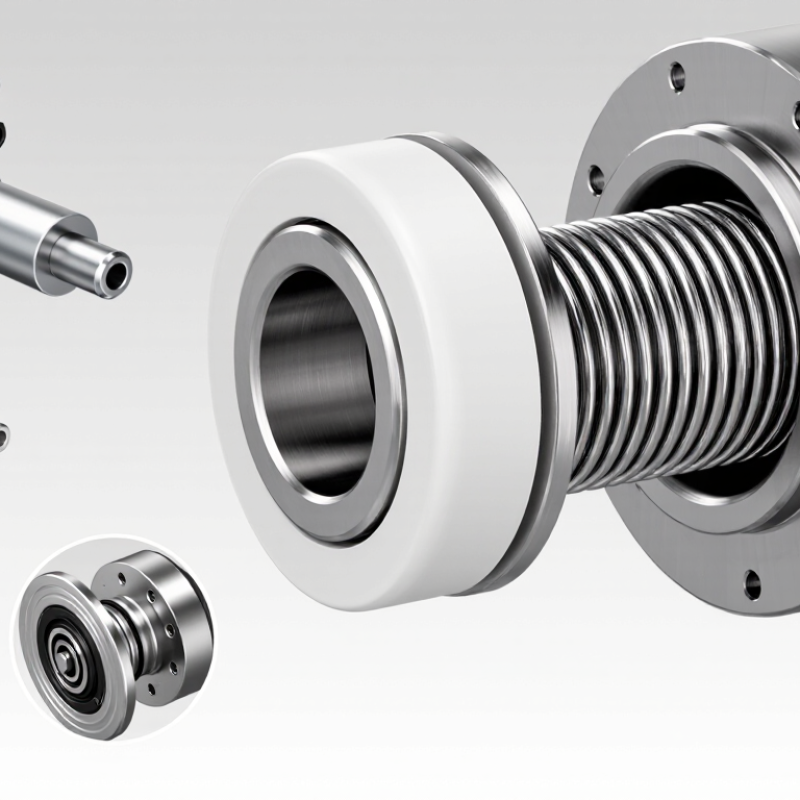
PTFE’s 260°C Service Limit and Low-Friction Sealing Function
A PTFE lip seal with a cobalt-based alloy energizing spring is used to control fluid or gas leakage around rotating, reciprocating, or stationary shafts. Its main value appears in equipment facing heat, chemical exposure, and frequent movement. The spring keeps the sealing lip pressed against the shaft as PTFE accommodates small surface irregularities.
PTFE’s 260°C service limit is useful, but it can mislead. It is not a guaranteed operating target. Actual performance depends on pressure, shaft speed, counterface finish, chemical contact, and heat dissipation. A seal may tolerate short temperature peaks yet fail during continuous exposure. That distinction matters.
Its low-friction behavior helps reduce starting torque, energy loss, and shaft wear. In practice, this makes it suitable for pumps, thermal processing equipment, valves, compressors, and hydraulic actuators. It slides quietly. The alloy spring also resists corrosion and maintains loading in demanding environments.
During installation, I would inspect the shaft for scratches, sharp edges, and excessive runout. Even a strong seal can leak against a damaged surface. Lubrication compatibility also deserves testing, especially when solvents or cleaning fluids are involved. One common mistake is choosing the seal by temperature alone. Pressure cycling and dry-running conditions may be more damaging. The 260°C limit should therefore guide material selection, not replace a complete application review.
PTFE lip seals are commonly used in rotary and reciprocating applications where low friction, chemical resistance, and high-temperature capability are required. PTFE can typically operate continuously near 260°C, while its low dry-friction coefficient helps reduce wear and energy loss. Values shown are representative engineering references; actual performance depends on compound, pressure, speed, counterface, and medium.
Elgiloy Spring Properties: Up to 1,900 MPa Tensile Strength
What Is a PTFE Cobalt-Alloy Spring Lip Seal Used For?
A PTFE lip seal uses a flexible sealing edge and an internal spring. The spring maintains contact around a rotating shaft, even when pressure changes. Cobalt-based spring alloys can reach tensile strengths near 1,900 MPa, according to technical alloy data summarized in ASM Handbook materials references. That strength supports compact springs exposed to vibration, heat, and repeated movement.
These seals are common in pumps, hydraulic equipment, chemical-processing systems, and aerospace mechanisms. PTFE offers low friction and broad chemical resistance. Reported friction values often range from about 0.05 to 0.20, depending on load, speed, surface finish, and lubrication. However, tensile strength alone does not guarantee longer seal life. Poor shaft finish, incorrect interference, or dry running can still damage the lip. This is where practical testing matters. Laboratory results may not match field conditions.
Tips: Check shaft hardness, runout, and surface roughness before selecting the seal. Confirm the alloy’s temperature range from its material report, not a sales summary. A spring rated near 1,900 MPa may lose performance after prolonged heat exposure. I would also review pressure cycling and chemical compatibility. One overlooked variable can change the result.
How Spring Energization Maintains Lip Contact During Pressure Changes
A PTFE lip seal with a cobalt-alloy spring is used where ordinary elastomer seals face temperature, chemical, or pressure challenges. The spring sits inside the sealing lip and pushes it against the shaft or bore. This contact remains active when pressure fluctuates, vibration occurs, or the PTFE lip relaxes slightly. Small details matter. A dry shaft, poor surface finish, or incorrect spring load can still cause leakage.
Spring energization is most valuable during pressure changes. At low pressure, the spring supplies the initial sealing force. As pressure rises, process fluid acts behind the lip and increases contact against the mating surface. When pressure falls, the spring helps prevent the lip from lifting away. Published PTFE tribology data commonly reports friction coefficients near 0.04–0.10 under controlled conditions, although real assemblies may differ sharply. Surface speed, temperature, and lubrication change the result. A 2017 peer-reviewed tribology assessment also estimated that friction and wear account for about 23% of global energy use, showing why controlled contact deserves attention.
In field service, engineers often check shaft hardness, runout, and surface roughness before changing the seal design. Pressure cycling tests are more revealing than one static pressure test. They expose delayed leakage and spring fatigue. The design is not automatically fail-safe. PTFE can creep, and excessive spring force may increase wear. That trade-off is easy to underestimate. Industry data should guide selection, but application-specific testing remains necessary.
Selection Criteria: Temperature, Pressure, Speed, Media, and FDA 21 CFR 177.1550
A PTFE lip seal with a cobalt-based spring is used where low friction and chemical resistance matter. It suits pumps, mixers, valves, and rotating shafts. NIST Chemistry WebBook lists PTFE’s melting point near 327°C. That figure is not a safe operating temperature. Continuous heat, friction, and spring relaxation can reduce service life much earlier.
Temperature selection needs the whole assembly, not only the polymer. Pressure must match the lip geometry, shaft finish, and extrusion gap. Speed changes heat generation quickly. ISO 6194-1 provides terminology and test guidance for rotary shaft seals, but it does not create one universal pressure-speed rating. I prefer measured PV data from the seal supplier. A neat catalog number can mislead.
Media compatibility requires checking chemicals, concentration, pressure, and exposure time. Steam, solvents, abrasive powders, and rapid temperature changes deserve separate testing. For food-contact applications, FDA 21 CFR 177.1550 covers eligible fluorocarbon resin compositions and extraction requirements. It does not automatically approve the complete seal, spring, lubricant, or manufacturing process. ASTM material data can support resin identification, but formulation details still matter. I would request lot traceability, test conditions, and migration evidence. This step is often skipped. That is a weakness.