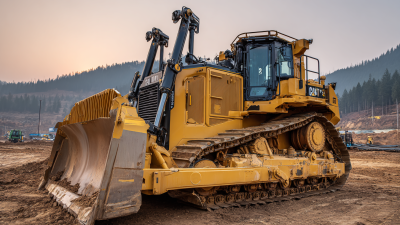
How to Choose Caterpillar Heavy Equipment for Your Project?
Choosing the right equipment is crucial for any construction project. Caterpillar heavy equipment stands out in the industry. It represents reliability and performance. According to recent reports from EquipmentWatch, Caterpillar’s market share in the heavy equipment sector is over 25%. This statistic highlights their dominance.
Selecting Caterpillar heavy equipment involves multiple considerations. Project size, type of terrain, and specific tasks must align with machine capabilities. For example, a large earthmoving project might require a bulldozer with a high horsepower rating. In contrast, a compact excavator may be more suitable for smaller, tighter spaces. The diversity in Caterpillar's product range provides options for different needs.
However, not all machinery is the right fit. Using equipment that doesn’t match project demands can reduce efficiency and increase costs. It's vital to evaluate long-term project goals. Sometimes, investing in a higher quality Caterpillar heavy equipment can yield better results. Balancing cost against productivity will often require looking beyond initial expenses. Being mindful of these factors is essential for successful project outcomes.
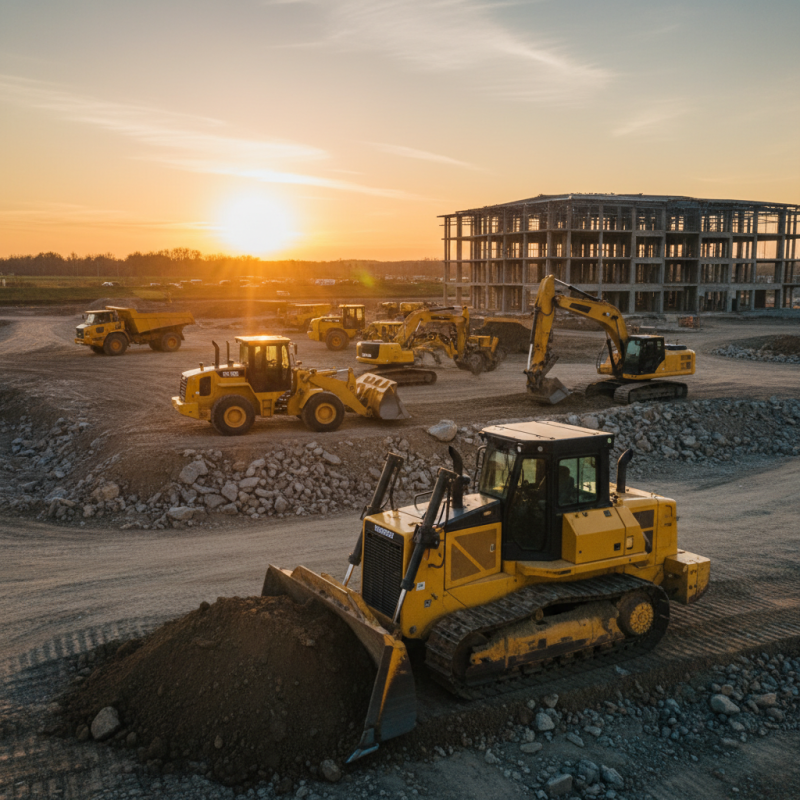
Understanding Project Requirements for Caterpillar Equipment
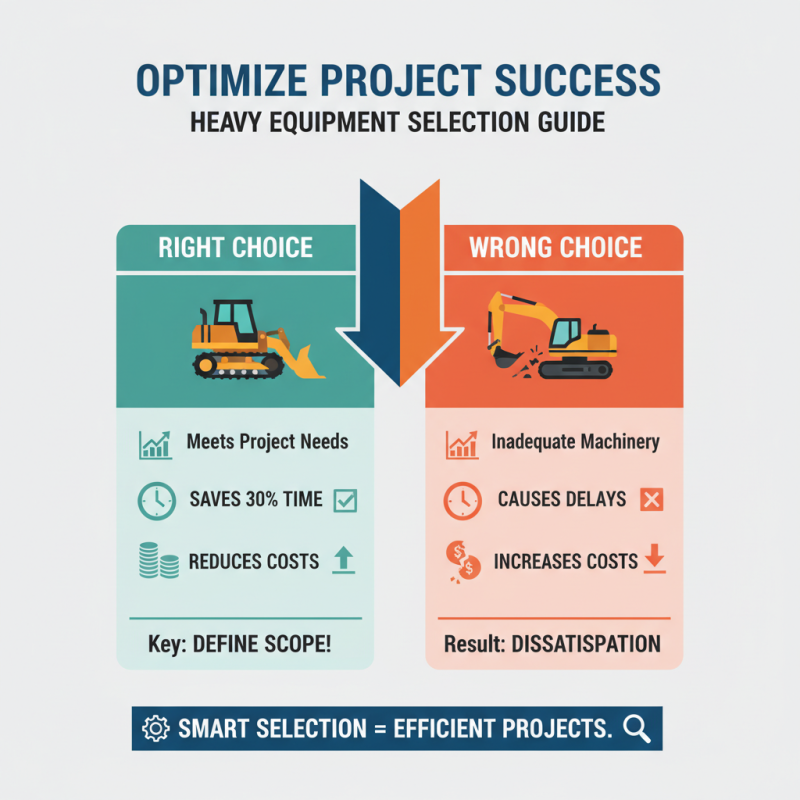
Choosing the right heavy equipment for a project requires a clear understanding of project requirements. Various reports indicate that equipment choice can affect project timelines by up to 30%. Inadequate machinery often leads to delays, increased costs, and overall dissatisfaction. Therefore, defining the scope of work is crucial.
Know your project's specifics. Is it large-scale construction or landscaping? Each task demands different equipment types. For earthmoving tasks, a compact loader may suffice, but road construction typically requires larger, more robust machinery. Selecting the appropriate size and type can optimize efficiency and reduce unnecessary expenses. Industry studies show that using the right equipment can improve productivity by 25%.
Consider the terrain and environmental conditions. Projects in rocky or uneven areas may need specialized models for better stability. Ignoring these factors can result in equipment damage or operational inefficiencies. Assessing the project site before making a decision is vital. Rely on data from recent projects and expert reports to inform your choices. This enables informed decisions and better resource allocation. Always be open to revisiting your initial assessments, as project dynamics can change.
Evaluating Different Caterpillar Heavy Equipment Models
When evaluating different heavy equipment models, it's crucial to consider specific features and capabilities. Each model has unique strengths that can greatly influence project efficiency. According to industry reports, selecting the right type of equipment can improve productivity by up to 30%. For instance, excavators are ideal for digging, while dozers excel in grading. Understanding these distinctions can lead to smarter choices.
Payload capacity is another vital factor. Smaller models may suffice for residential projects, while larger ones are essential for industrial sites. A report from the National Heavy Equipment Survey highlights that underestimating equipment size can delay project timelines by approximately 20%. Observing working conditions is equally important. Equipment should align with environmental factors like terrain and weather.
Cost is always a consideration. However, initial prices do not tell the whole story. Maintenance costs can vary significantly across models. A comprehensive analysis by the Construction Equipment Institute indicates that models with lower upfront costs often incur higher maintenance over time. Careful evaluation of long-term expenses ensures that the selected equipment remains an asset rather than a liability.
Factors to Consider: Size, Capacity, and Performance
When selecting heavy equipment for a project, size is crucial. The right size machine can enhance efficiency and reduce downtime. For instance, a compact excavator works well in tight spaces. However, larger equipment can tackle bigger tasks. You must evaluate the job site carefully. Measure the area, and account for any obstructions like trees or buildings. Choosing the wrong size might lead to costly delays.
Capacity is another important factor. Each machine has load limits. Exceeding these limits can cause malfunctions or accidents. Consider the weight of the materials involved. A loader with insufficient capacity could slow down your project. Moreover, always leave some margin in your calculations. It's better to have a bit of extra capacity than to find yourself stuck.
Performance is a reflection of power and efficiency. Look at fuel consumption and operating speed. Equipment that is efficient saves money in the long run. Reliability is key; unreliable machines can cause frustration. Observe equipment under real conditions, if possible. Read reviews or speak to users about their experiences. Making a hasty choice can have significant consequences. Always reflect on what worked and what didn't in past projects.
Comparison of Caterpillar Heavy Equipment by Size and Capacity
Assessing Budget Constraints and Cost-Effectiveness
When considering heavy equipment for a project, budget constraints play a crucial role. It’s important to determine the overall financial scope early on. Analyze your project needs and match them with your budget. For larger tasks, more powerful machinery may be necessary. However, it may strain your finances. Sometimes, a more compact option could suffice. This choice won't just save money; it might also lower operational costs.
Cost-effectiveness is not merely about purchasing the cheapest option. Examine the long-term impacts. Consider fuel efficiency and maintenance costs. High-quality equipment may have a higher upfront price but save money over time. Weigh these factors carefully. Rushing into a decision can lead to expenses that overshadow initial savings. Keep in mind the total lifecycle cost, which includes repair and replacement expenses.
Understand that unexpected costs may arise. These can disrupt your budget planning. Misjudging equipment needs could lead to inefficient operations. Aligning project goals with the proper machinery is vital, but it’s equally important to remain flexible. You may need to adjust your budget or reconsider equipment size as project demands evolve. Balancing quality and cost is an ongoing challenge.
How to Choose Caterpillar Heavy Equipment for Your Project? - Assessing Budget Constraints and Cost-Effectiveness
| Equipment Type |
Initial Cost (USD) |
Operating Cost per Hour (USD) |
Fuel Efficiency (Gallons/hour) |
Lifespan (Years) |
Resale Value (USD) |
| Excavator |
$150,000 |
$50 |
1.5 |
10 |
$75,000 |
| Bulldozer |
$120,000 |
$60 |
2.0 |
12 |
$60,000 |
| Backhoe Loader |
$85,000 |
$40 |
1.2 |
8 |
$42,000 |
| Skid Steer Loader |
$50,000 |
$30 |
1.0 |
6 |
$25,000 |
Exploring Rental vs. Purchase Options for Caterpillar Equipment
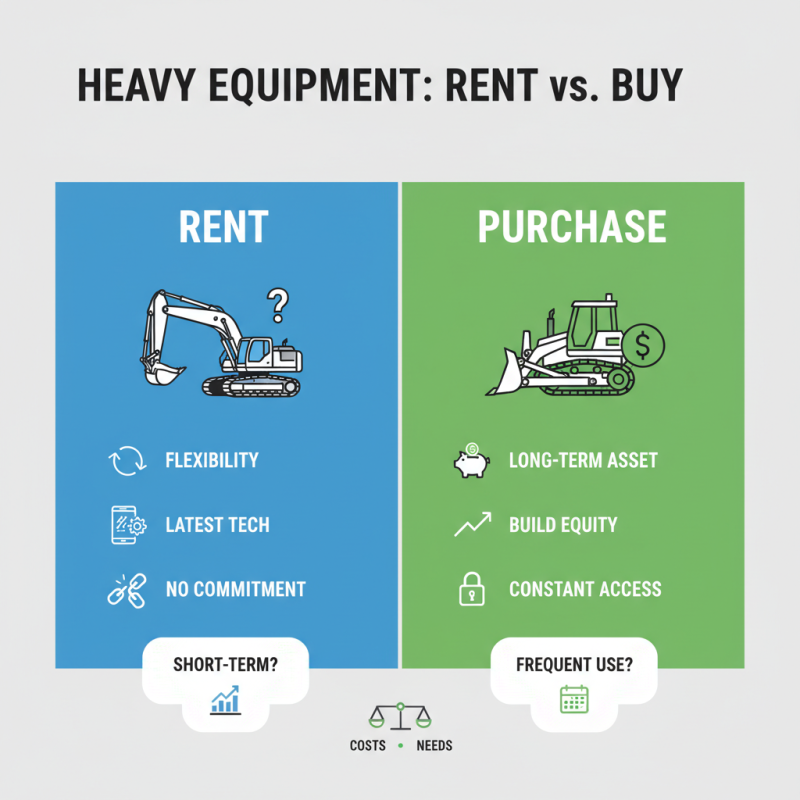
When considering heavy equipment for a project, the decision to rent or purchase can be daunting. Renting is often more flexible. It allows you to access the latest technology without a long-term commitment. You can choose from various models for specific tasks. However, rental costs can add up over time, especially for long-term projects. It’s crucial to evaluate how often you will need the equipment.
On the other hand, purchasing equipment provides long-term benefits. It can be economically wiser for repeated use over several years. Owning your machinery means you're not tied to rental agreements. However, the initial investment can be significant. Maintenance and storage also become your responsibility. If the machine breaks down, project delays may occur.
Each option has its pros and cons. Sometimes, renting might seem simpler, but costs can spiral unexpectedly. Conversely, buying might appear a smart choice, only to reveal hidden expenses. Take time to analyze your project's demands before making a choice. Balancing short-term needs with long-term projects is essential.