Blog
How to Buy Caterpillar Heavy Equipment for Global Projects?
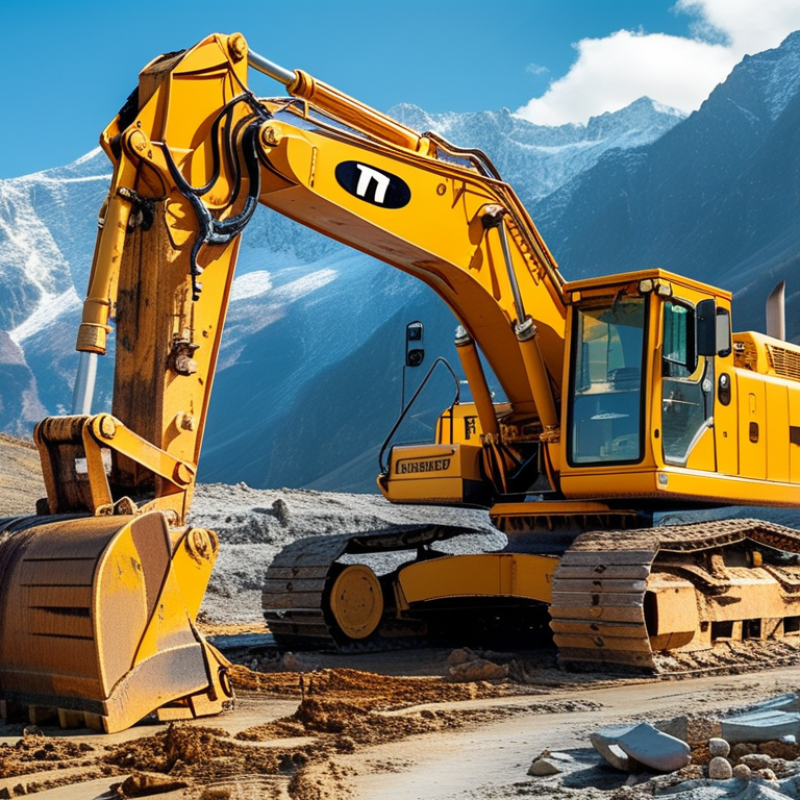
Buying Caterpillar heavy equipment for global projects requires more than comparing prices online. It demands careful planning, verified suppliers, and a clear understanding of site conditions. A crawler excavator suited to wet clay may perform poorly on rocky mountain terrain. Project managers should assess operating weight, engine power, attachments, fuel use, and service access before approving a purchase.
Experience shows that authorized Caterpillar dealers provide stronger support than unknown exporters. They can confirm machine history, serial numbers, warranty coverage, and available replacement parts. Buyers should request inspection reports, maintenance records, delivery terms, and clear photographs of critical components. A field inspection can reveal worn hydraulic lines, damaged tracks, or excessive engine smoke. Small details matter.
Global procurement also involves shipping routes, import documentation, emissions requirements, operator training, and local safety standards. These obligations vary by destination and can affect the final cost significantly. Total ownership cost should include transport, insurance, duties, scheduled maintenance, downtime, and resale value. An experienced dealer can help compare new, used, and rental options without relying on unrealistic promises.
No guide removes every uncertainty. Even a well-inspected machine may face delays or unexpected repairs. That is why reliable contracts, practical contingency budgets, and independent technical advice remain essential. The best decision balances performance, support, compliance, and long-term value. A successful purchase is not simply a machine delivered overseas. It is dependable equipment operating safely when the project needs it most.
Define Project Requirements and Select the Right Caterpillar Equipment
Global heavy-equipment buying should begin with project facts, not a machine brochure.
Define the terrain, soil strength, working hours, load sizes, and transport distances. A crawler excavator may suit muddy ground, while a wheel loader can move materials faster on prepared surfaces.
I have seen contractors choose excessive engine power, then lose money through fuel use and idle time. A smaller machine can fail too.
The correct choice balances production, access, fuel efficiency, and operator skill.
Tips:
Measure the work area carefully. Record daily output targets. Check attachment compatibility. Confirm transport dimensions and local import requirements.
Request maintenance records, inspection reports, and clear ownership documents. For used equipment, inspect hydraulic lines, undercarriage wear, oil condition, and unusual vibration.
A trusted independent technician is worth the cost.
Global projects need more than matching horsepower to a task.
Review parts availability, technician support, training, warranty terms, and expected delivery schedules in the destination country. Ask whether the machine can operate in high heat, dust, altitude, or heavy rain.
Digital monitoring may help track fuel and service intervals, but it cannot replace physical inspections.
My own mistake was trusting estimated productivity without testing the soil. Real conditions changed the result.
Build a trial period into the plan when possible, and keep a practical backup option for delays or unexpected ground conditions.
Verify Authorized Suppliers, Equipment History, and Export Eligibility
Buying heavy equipment for an international project requires more than comparing machine prices. Verify the supplier’s authorization through an official manufacturer directory or written confirmation. Check registration details, physical offices, service capability, and references from recent export customers. A low quote deserves careful questioning. The 2024 Yellow Table industry report valued global construction equipment sales at more than 250 billion dollars, showing how large and competitive this market has become. That scale also attracts unreliable intermediaries.
Request the complete equipment history before payment. It should include serial numbers, ownership records, maintenance invoices, operating hours, inspection reports, and accident disclosures. Match every document with the machine’s identification plate. Hire an independent inspector to examine hydraulic leaks, undercarriage wear, structural cracks, and diagnostic codes. Records can mislead. A clean-looking cab proves little. Service-hour inconsistencies should pause negotiations, even when the seller seems professional.
Export eligibility must be checked before shipment. Confirm the destination’s import rules, emissions requirements, safety certifications, customs classification, and required permits. The World Bank’s 2023 Logistics Performance Index shows major differences in customs efficiency and shipment reliability across economies. Build extra time into the schedule. Maritime transport carries over 80% of global merchandise trade, according to the United Nations Conference on Trade and Development’s 2023 review, yet port delays and document errors remain common. Use a written sales contract covering inspection rights, delivery terms, insurance, spare parts, and dispute procedures. I would also verify sanctions screening and end-use documentation with qualified trade professionals, because assumptions can become expensive.
Compare Prices, Ownership Costs, Financing, and Warranty Terms
Buying heavy equipment for a global project requires more than comparing purchase prices. Ask for itemized quotations showing transport, duties, assembly, attachments, and local taxes. A low initial price can hide expensive delivery delays or missing components. Request the machine’s service history, hour-meter records, inspection report, and expected delivery date. Read every clause.
Ownership costs deserve equal attention. Estimate fuel use from the planned workload, not a brochure figure. Include maintenance intervals, filters, tires, storage, operator training, insurance, and emergency repairs. A machine working in a remote quarry may need extra fuel tanks and scheduled parts shipments. My own early estimates have sometimes ignored downtime, which changed the project budget significantly. That gap matters.
Financing should be compared through total repayment, not monthly payments alone. Check the interest rate, arrangement fees, currency exposure, deposit, balloon payment, and early-settlement conditions. A cheaper loan may create risk when exchange rates move sharply. Warranty terms also need careful review. Confirm coverage length, operating-hour limits, excluded wear parts, response times, and approved repair locations. Get these details in writing, including who pays for travel and replacement parts. Warranty promises sound reassuring, but unclear exclusions can weaken their value. A third-party inspection before payment can reveal leaks, frame damage, or unsuitable attachments. Keep signed records, photographs, and maintenance schedules for future claims.
Arrange Inspection, Compliance Checks, Shipping, and Customs Clearance
Buying heavy equipment for global projects starts with evidence, not attractive photos. Ask for serial records, operating hours, maintenance invoices, and ownership documents. A trained inspector should test cold starting, hydraulic pressure, steering response, braking, undercarriage, and warning systems. Request oil samples when the machine’s history seems incomplete. Small leaks matter. Photograph every defect beside a ruler, then record it in a signed report. I once underestimated transport damage after a clean yard inspection. The lesson remains uncomfortable: inspection must include loading points and securing plans.
Compliance checks should match destination rules before payment. Verify engine emissions, machine dimensions, safety labels, electrical standards, and import permits with a local customs broker. Some countries require translated manuals or conformity certificates. Confirm whether the unit is new, used, refurbished, or modified, since classifications can change duty calculations. Shipping quotes must state port handling, inland delivery, insurance, lashing, and demurrage responsibilities. Use moisture barriers and corrosion protection for long sea routes. Before dispatch, compare the serial number on the machine, invoice, packing list, and export documents. One mismatched digit can delay clearance for days. Customs clearance becomes smoother when value, origin, weight, and intended use remain consistent. I prefer pre-clearance document reviews, although they add time. Rushing this step has caused avoidable project costs.
Plan Delivery, Operator Training, Maintenance, and Global After-Sales Support
Buying heavy equipment for a global project requires more than comparing machine prices. Delivery planning should match port capacity, customs requirements, site access, and seasonal weather. The World Bank’s 2023 Logistics Performance Index shows major differences in shipment tracking and delivery reliability across countries. Build a buffer into the schedule. A missed vessel can delay grading work for weeks.
Operator training must begin before arrival. Use practical sessions with the actual controls, attachments, and terrain conditions. The International Labour Organization reported nearly three million work-related deaths in 2023, with many linked to unsafe conditions. Training should cover lockout procedures, daily inspections, reversing zones, and emergency communication. Keep lessons short. Track competency, not attendance. One weak area remains common: teams often train operators but neglect supervisors.
Maintenance planning should include service intervals, approved fluids, wear-part forecasts, and local inventory levels. Remote diagnostics can reduce unnecessary site visits, but connectivity may fail in remote regions. Do not rely on it completely. The Uptime Institute’s 2024 data center survey found that human error remained a major contributor to outages, a reminder that systems still depend on disciplined people. Global after-sales support needs multilingual manuals, regional technicians, response-time commitments, and a clear escalation path. Record every repair by machine hour and component. Those records expose recurring failures and improve future procurement decisions.
| Planning Area | Equipment or Service Dimension | Reference Data | Recommended Procurement Action | Global Project Consideration | Key KPI |
|---|---|---|---|---|---|
| Project Definition | Workload and site conditions | Review material type, haul distance, annual operating hours, altitude, ambient temperature, ground bearing capacity, gradients, and access restrictions. | Prepare a duty-cycle report before requesting quotations. Match equipment capacity to the actual production target rather than selecting only by purchase price. | High-altitude, tropical, desert, arctic, and coastal environments may require different cooling, filtration, corrosion-protection, or cold-start provisions. | Production target achieved ≥90% of planned utilization |
| Equipment Selection | Excavator class | Compact excavators are commonly below 10 metric tonnes; medium units are approximately 10–30 tonnes; large units may exceed 30 tonnes. Actual operating weight varies by configuration. | Specify bucket size, arm length, counterweight, hydraulic attachments, undercarriage type, and transport dimensions in the purchase schedule. | Confirm road permits, bridge limits, loading facilities, and local restrictions for oversize or overweight transport. | Cycle time Fuel per operating hour |
| Equipment Selection | Wheel loader class | Common project configurations range from approximately 10 to 35+ metric tonnes operating weight, with bucket capacities selected according to material density and truck matching. | Calculate the loader–truck match using bucket payload, loading height, travel distance, and target loading cycles. | Check tire availability, local road regulations, ground conditions, and the availability of suitable wheel and tire service providers. | Tonnes per hour Bucket fill factor |
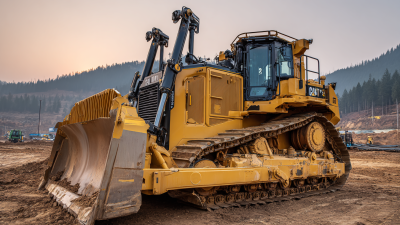
| Equipment Selection | Dozer and motor grader | Dozers are selected by blade capacity, traction, operating weight, and drawbar power. Graders are selected by moldboard width, articulation, steering configuration, and required finish tolerance. | Define earthmoving, slope-finishing, road-maintenance, and drainage tasks separately; specify machine-control or grade-control interfaces where required. | Confirm compatibility with local surveying systems, machine-control data formats, and operator certification requirements. | Finished area per hour Grade tolerance |
| Delivery Planning | International transport | Typical planning windows are approximately 20–45 days for ocean freight and 5–15 days for regional road transport after dispatch, excluding customs delays and port congestion. | Request a delivery schedule with factory readiness, inland haulage, port handling, ocean transit, customs clearance, final-mile delivery, and commissioning dates. | Use Incoterms that clearly allocate freight, insurance, import clearance, duties, unloading, and site-delivery responsibilities. | On-time delivery rate Transit damage incidents |
| Delivery Planning | Shipping configuration | Shipping dimensions may be reduced by removing attachments, counterweights, blades, buckets, or cabs where permitted. Reassembly must be planned at the destination. | Include a packing list, lifting points, total shipping weight, center of gravity, securing method, and reassembly procedure in the shipping documents. | Verify crane capacity, lifting certificates, laydown area, local road width, turning radius, and escort requirements before dispatch. | Unloading completed safely Zero missing components |
| Compliance | Import and regulatory documents | Common documents include commercial invoice, packing list, bill of lading, certificate of origin, insurance certificate, customs classification, and conformity documents where applicable. | Confirm tariff codes, emissions requirements, safety regulations, registration rules, and language requirements with the destination-country authorities before purchase order approval. | Requirements differ by country and may change; use a qualified customs broker and obtain written confirmation for controlled or used equipment. | Customs clearance time Documentation error rate |
| Site Readiness | Infrastructure and commissioning | Prepare suitable fuel storage, lubricants, clean water, battery charging, workshop space, lifting equipment, fire protection, and secure parking before arrival. | Complete a site-readiness checklist at least two weeks before delivery and assign responsible personnel for unloading, inspection, assembly, and acceptance testing. | Remote projects should pre-position critical filters, hoses, fluids, tires, undercarriage parts, and emergency communication equipment. | Commissioning completed on schedule First-pass acceptance rate |
| Operator Training | Initial operator program | A practical program commonly requires 16–40 hours per operator, depending on machine complexity, previous experience, attachments, and site risks. | Combine classroom instruction, daily inspection practice, controlled operation, production exercises, shutdown procedures, and written or practical assessment. | Deliver training in the operators’ working language and adapt examples to local safety law, weather, terrain, and project procedures. | Operator assessment pass rate Safety incidents |
| Operator Training | Daily inspection and safe operation | Operators should inspect fluids, leaks, tires or tracks, attachment pins, guards, lights, alarms, access steps, seat belts, and emergency systems before each shift. | Use a signed pre-start checklist and prohibit operation when safety-critical defects remain unresolved. | Keep inspection records available for audits and translate warning labels, checklists, and emergency procedures where necessary. | Checklist completion Defects corrected before operation |
| Maintenance | Preventive maintenance intervals | Many heavy machines use daily or 10-hour inspections, 250-hour service points, 500-hour service points, and longer interval inspections. Exact intervals depend on the model and operating conditions. | Build a maintenance calendar from the equipment operation and maintenance manual, including labor hours, fluids, filters, grease, inspection items, and planned downtime. | Severe dust, high heat, deep mud, corrosive air, continuous loading, and short-cycle work may require more frequent inspections or fluid sampling. | Preventive maintenance compliance Unplanned downtime |
| Maintenance | Lubricants, filters, and wear parts | Critical consumables include engine oil, hydraulic oil, coolant, fuel filters, air filters, hydraulic filters, grease, cutting edges, bucket teeth, tires, and undercarriage components. | Forecast consumption from annual operating hours and maintain a minimum stock based on lead time, failure risk, and site remoteness. | Store fluids in clean, sealed containers and protect rubber, electrical, and precision components from heat, moisture, dust, and sunlight. | Parts fill rate Stockout frequency |
| Maintenance | Condition monitoring | Useful methods include fluid sampling, oil-pressure checks, temperature monitoring, fault-code review, wear measurement, battery testing, and visual inspection. | Establish baseline readings during commissioning and set escalation thresholds for abnormal trends before failures affect production. | Remote sites benefit from digital service logs, satellite or cellular connectivity, and scheduled technical reviews with qualified service personnel. | Early fault detection rate Mean time between failures |
| After-Sales Support | Service response coverage | Define response targets by severity: emergency safety or production stoppage, urgent loss of function, and routine technical support. | Include service hours, escalation contacts, remote diagnostic capability, field-service availability, and service-level targets in the contract. | Provide a primary and backup contact for every time zone involved in the project and document holiday, language, and communication coverage. | First response time Mean time to repair |
| After-Sales Support | Warranty and service records | Warranty eligibility commonly depends on correct operation, documented maintenance, approved parts or fluids, and timely reporting of defects. Terms vary by machine and contract. | Specify warranty start date, coverage limits, exclusions, claim documents, travel-cost treatment, labor responsibilities, and transfer conditions before signing. | Retain serial-number records, inspection reports, maintenance invoices, fluid-analysis results, repair reports, and operating-hour records for the full contractual period. | Warranty claim cycle time Service record completeness |
| Total Cost | Whole-life cost model | Total cost includes purchase price, freight, insurance, duties, commissioning, fuel, operators, planned maintenance, repairs, tires or undercarriage, financing, and disposal value. | Compare at least three scenarios using cost per operating hour or cost per tonne, rather than comparing acquisition price alone. | Include currency risk, local taxes, fuel price variation, exchange rates, spare-parts lead time, and the cost of standby equipment. | Cost per operating hour Cost per tonne moved |
| Contract Controls | Purchase order and acceptance | The contract should define specifications, delivery milestones, acceptance tests, training scope, spare-parts package, payment terms, warranty, support response, and dispute procedures. | Link final payment to documented delivery, commissioning, training completion, defect correction, and signed acceptance by authorized project representatives. | Use a consistent acceptance form across countries while adding local legal, tax, safety, and environmental requirements. | Open defects at acceptance Contract milestone compliance |

Related Posts
-
Exploring Future Innovations in Caterpillar Equipment and Alternative Solutions for 2025
-
Exploring Unique Alternatives to Best Heavy Machinery for Your Construction Needs
-
Why Choose Caterpillar Heavy Equipment for Your Construction Needs
-
Top Strategies for Maximizing Efficiency with Caterpillar Equipment
-
How to Choose the Right Caterpillar Machine for Your Construction Needs
-
Top 10 Caterpillar Machines for Heavy-Duty Construction Projects